
History of Guaranteed Minimum Income in America
The idea that everyone should have enough money to live a decent life is not new. For more than two centuries, Americans have argued over how much security a democratic society owes its people—and how to provide it. This three‑part history traces those debates from the founding era through the New Deal, the near‑miss “guaranteed income” fights of the 1960s and 70s, and the second Gilded Age of inequality and pilot programs that followed.
Together, these pieces explain how guaranteed minimum income (GMI) went from a fringe idea to nearly becoming law, seemed to disappear, and then came back at scale through modern experiments in cities and states across America.
1791
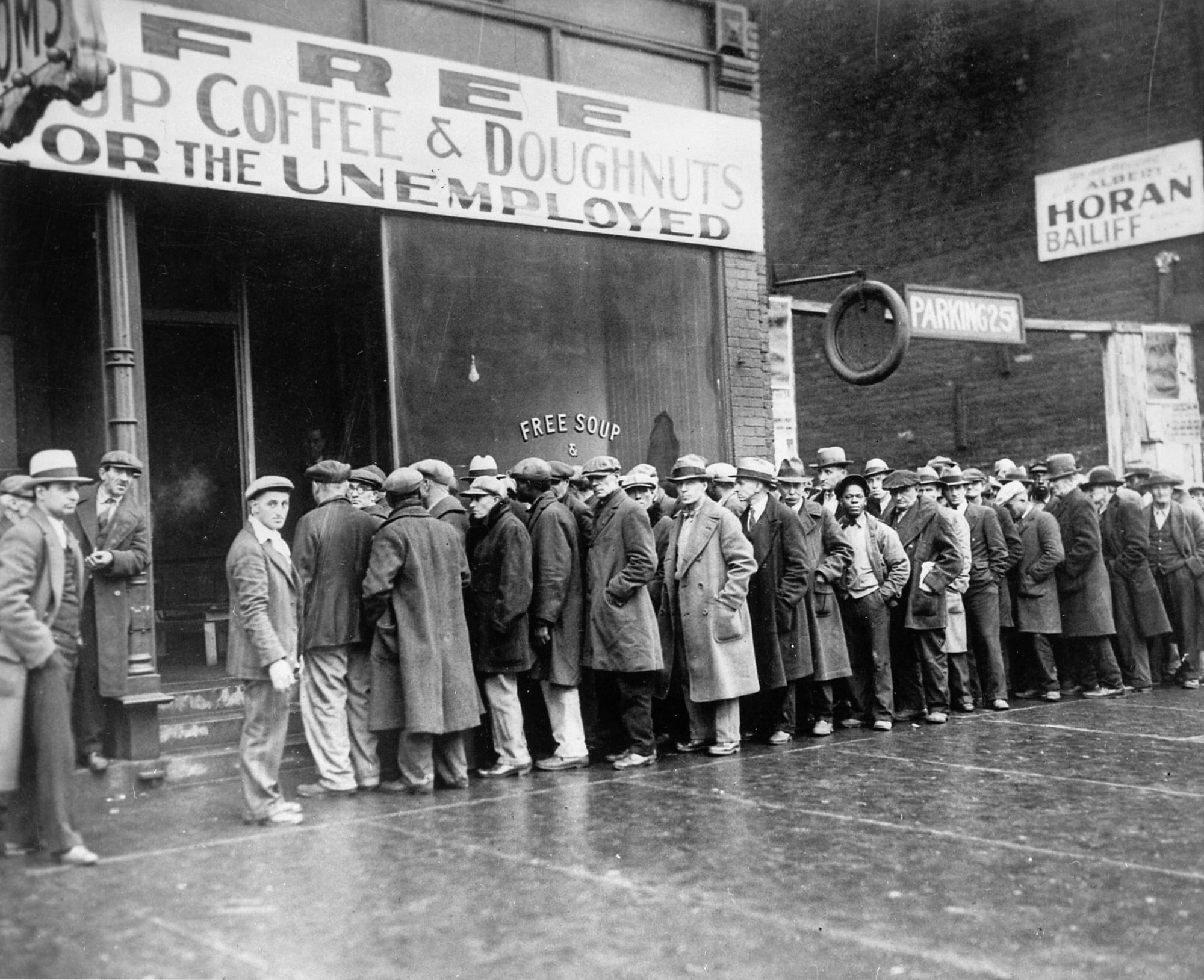
Part I - The Early History of Guaranteed Minimum Income (1791 - 1945)
From the founding era through the Great Depression, Americans argued about poor relief, work requirements, and how much security a free society owes its citizens. Reformers, religious leaders, and early economists floated ideas that look a lot like guaranteed income, even as industrialization and the New Deal built a patchwork safety net instead. This first part explores how those arguments began—and why they stopped short of unconditional cash.
- How early American thinkers framed poverty, work, and “deserving” aid
- Why cash‑like ideas appeared long before modern welfare states
- How the New Deal expanded security without embracing guaranteed income
1946
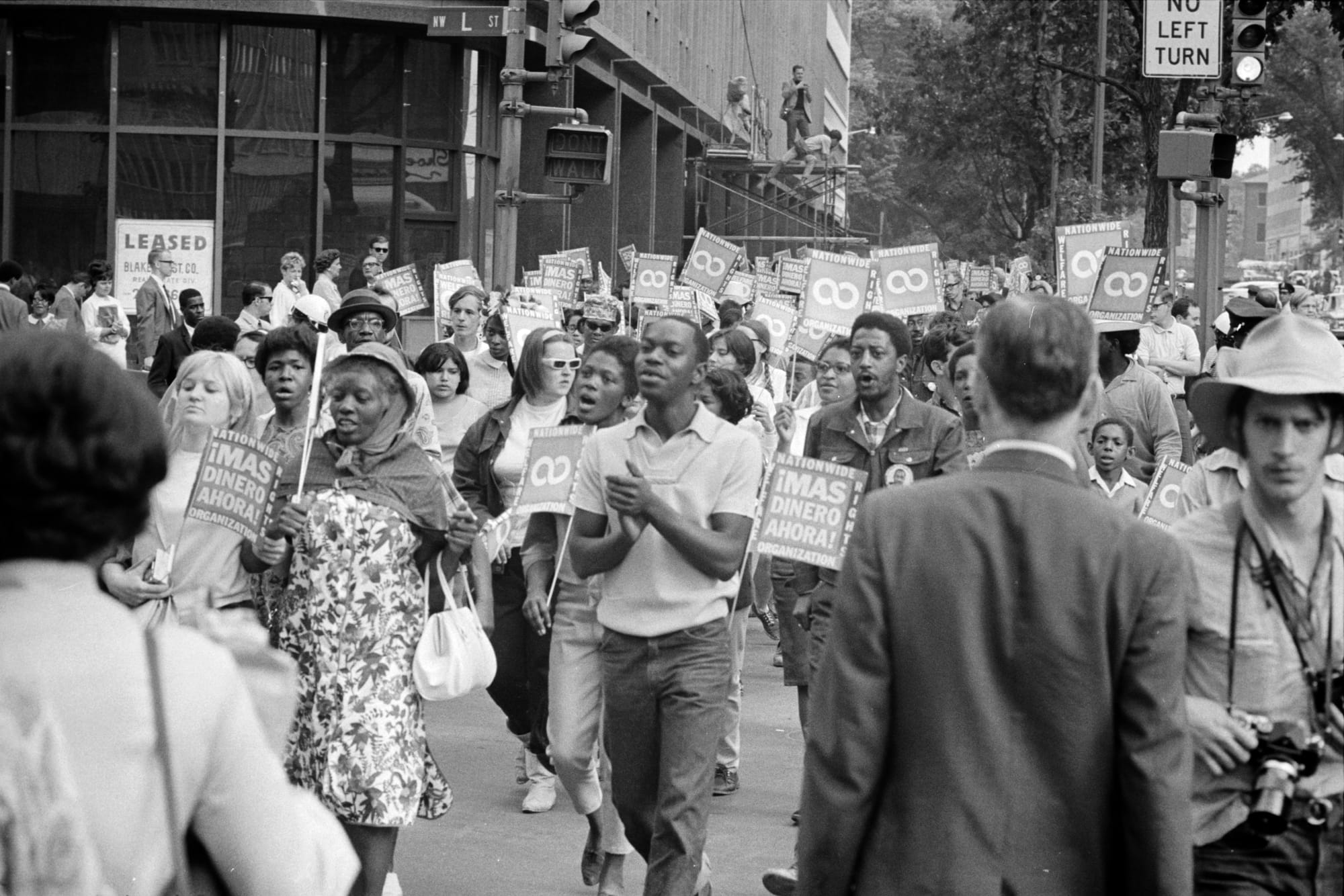
Part II - The Great Society and the Fight for Guaranteed Minimum Income (1946 - 1975)
After World War II, the United States briefly came closer than ever to adopting a national guaranteed income. Economists across the political spectrum endorsed variants of a negative income tax, civil rights leaders and anti‑poverty advocates demanded a floor under everyone’s income, and Congress seriously debated cash guarantees before ultimately turning away. This second part tells the story of that near‑miss—and what it reveals about American politics.
- How the Great Society era turned poverty into a national priority
- Why strange bedfellows—from Milton Friedman to welfare rights activists—aligned around income guarantees
- How close Congress came to passing a basic income‑style floor, and why it failed
1976
Part III - Guaranteed Minimum Income in the Second Gilded Age (1976 - 2025)
The late 20th century brought tax cuts, welfare rollbacks, and soaring inequality—a “second Gilded Age” in which the U.S. pulled back from direct cash support even as other programs quietly grew. At the same time, globalization, automation, and financial crises pushed more families into instability. This final part follows the story from welfare reform to the rise of modern guaranteed income pilots, child tax credits, and county‑level experiments that set the stage for today’s GMI work.
- How the politics of welfare changed after the 1970s
- Why the Earned Income Tax Credit and other policies function as partial income guarantees
- How 21st‑century pilots, mayors’ coalitions, and rural experiments revived the guaranteed income idea